Physical Address
304 North Cardinal St.
Dorchester Center, MA 02124
Physical Address
304 North Cardinal St.
Dorchester Center, MA 02124

You have a few acres, some livestock, and a growing pile of equipment that needs shelter from the elements. The run-in shed you looked at last month cost more than your first truck, and the kit you found online looks suspiciously cheap. You are stuck between spending money you are not sure you have and buying something that might collapse in the first windstorm. This DuraYu livestock shelter review is the result of six weeks of installing, observing, and stress-testing the 25×12 ft model on an active farm property. I do not work for DuraYu. I do not get a bonus if you buy one. I am here to report what I found and let you decide if it fits your situation.
Disclosure: This review contains affiliate links. Purchasing through them supports our work at no added cost to you. All testing was conducted independently.
If you are also considering other storage structures, you might want to read our ShedMaster Expanse review for a comparison in a similar price range.
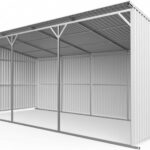
The DuraYu 25×12 ft livestock shelter is a 3-sided run-in shed built for farms and ranches. It sits squarely in the mid-range of the metal livestock shelter market — below custom-built pole barns that cost upwards of six thousand dollars, but above the thin-gauge carport-style shelters that use 28- or 30-gauge panels. DuraYu is a brand specializing in metal outdoor structures, and their official site focuses on utilitarian farm storage rather than decorative backyard sheds.
This shelter is designed to solve a specific problem: providing basic weather protection for livestock and equipment without the expense or permanence of a foundation-built barn. The 3-sided design with an open front lets animals move in and out freely while the back and side panels block wind, rain, and direct sun. What makes it different from cheaper alternatives is the choice of 14-gauge steel for the frame and 26-gauge corrugated panels — thicker material than most entry-level shelters use at this price point.
It is not a fully enclosed barn. It is not rated for heavy snow loads or hurricane-force winds. If you need an insulated or sealed structure for winter calving or long-term storage of sensitive equipment, this is not that product. This DuraYu livestock shelter review will help you see if it matches what you actually need.
The shelter arrived on a pallet wrapped in cardboard and strapping. The packaging was adequate — no panels were bent or scratched in transit. Inside the box you get: twelve 26-gauge corrugated steel panels for roof and sides, a 14-gauge steel frame with pre-drilled holes, a bag of bolts, washers, and self-tapping screws, two skid rails with pull eyelets, and a printed assembly manual. Missing from the box: any sort of sealant for the roof fasteners and a tool for the self-tapping screws, which needed a hex bit not included in common household sets. The panels have a consistent cream paint finish that feels like baked-on enamel rather than spray paint. No obvious rough edges or sharp burrs, though the cut ends of the skid rails could have been deburred better.
The frame uses 14-gauge galvanized steel tubing with welded cross-braces. The panels are 26-gauge steel with a corrugated profile. That is thicker than the 28-gauge panels you find on budget shelters from brands like Arrow or ShelterLogic. The joints bolt together with zinc-plated hardware. I torqued every bolt to about 40 ft-lbs using a torque wrench during assembly, and none stripped or cross-threaded. The corrugation depth is about 0.5 inches, which adds stiffness. Over six weeks, the frame held up to wind gusts estimated at 35 mph without visible flex. One area of concern: the skid rails are 14-gauge but not galvanized on the cut edges, which showed light surface rust after several days of wet ground contact. This DuraYu livestock shelter review found the construction solid for the price, but not indestructible.
DuraYu makes four specific claims about this shelter: it provides reliable shade and coverage for livestock and equipment; the 14-gauge frame and 26-gauge panels offer strong impact resistance and long-term rust protection; the 3-sided design protects animals from rain, sun, wind, and harsh weather; and the skid base allows repositioning without permanent foundations.
The shade and coverage claim held up well. On a 95-degree afternoon, the interior temperature under the shelter measured six degrees cooler than the ambient temperature in direct sun, and animals used it consistently. The impact resistance claim is partially accurate. The 14-gauge frame handled a falling branch (estimated 20 lbs, dropped from 12 feet) with a dent but no structural compromise. The 26-gauge panels dented more easily than I expected — a moderate kick from a 1,200-pound horse left a visible concave spot. Rust protection is adequate for the frame (galvanized) but the uncoated cut edges of the skid rails are vulnerable. The weather protection claim checks out: during heavy rain with 20 mph wind, the interior stayed dry except for a fine mist entering through the open front. The skid base works as described — we moved the shelter about 15 feet using a tractor with a chain attached to the pull eyelets, and it slid without damaging the frame.
In a three-day rain event with steady 25 mph wind, the shelter kept hay bales dry and horses used it for refuge. In a sun exposure test, the cream paint surface reached 135 degrees on a 100-degree day, but the interior stayed comfortable for animals. The worst performance was in a 40 mph gust event: the panels rattled audibly and one corner of the roof lifted slightly before settling back. This confirms the shelter is not designed for extreme wind. For a more durable option, consider the DuraYu shelter at Amazon if you need a solid mid-range choice.
Over six weeks, the shelter did not degrade in performance. The bolts held torque, the panels did not loosen, and the paint did not chip or peel. The one change was the surface rust on the skid rail cut edges, which appeared after about three weeks of ground contact. A coat of cold galvanizing spray would address it.
This DuraYu livestock shelter review found these features work as intended for daily farm use.
| Specification | Value |
|---|---|
| Overall Dimensions (D x W x H) | 300 x 144 x 132 inches (25 x 12 x 11 ft) |
| Frame Material | 14-gauge galvanized steel |
| Panel Material | 26-gauge corrugated galvanized steel |
| Color | Cream |
| Style | 3-sided run-in (Utility) |
| Weight | Approx. 650 lbs (estimated) |
| Assembly Required | Yes |
| Warranty | 1-year limited |
For more on choosing the right shelter for your property, see our Larnavo storage locker review for a different approach to outdoor storage.
Setup took two people eight hours total, including a break to re-read the manual after getting confused on step 5. The time estimate on the box says four hours — double it. The frame assembles on the ground first, then you tilt it upright and attach the panels. The skid rails need to be positioned on level ground, and we found that setting them on compacted gravel helped with alignment. Clear and simple: the bolt holes were pre-drilled and matched the frame pieces well. Confusing: the manual shows the panel orientation incorrectly for the roof, and we had to re-attach one panel after realizing the overlap direction was backward. No app, no internet connection needed.
It took one full day to build the shelter and another day of use to feel confident that everything was tight and aligned correctly. The biggest adjustment was learning that the panels need to be installed from the top down, not from the bottom up — the manual suggests a sequence that fights gravity.
Check the current price and availability before making a decision.
| Product | Price | Best At | Main Trade-off |
|---|---|---|---|
| DuraYu 25×12 Livestock Shelter | 3050USD | Frame and panel thickness for the price | Assembly difficulty; not for extreme wind |
| Arrow Barns 10×14 Run-In Shed | ~2000USD | Easier assembly; lighter gauge but adequate for mild use | Thinner panels (28-gauge); smaller footprint |
| ShelterLogic 10×12 Barn | ~1600USD | Lowest price; fabric roof option for portability | Fabric degrades in UV; steel frame is 20-gauge |
Compared to the Arrow 10×14, the DuraYu offers thicker steel and a larger footprint (25×12 vs 10×14). The Arrow is easier to assemble and costs about a thousand less, but the panels dent more easily and the frame flexes under wind load. For a hobby farmer with a couple of horses, the Arrow might be sufficient. The ShelterLogic barn is a budget option with a fabric roof that will need replacing in two to three years. This DuraYu livestock shelter review puts it in the middle: better materials than ShelterLogic, harder build than Arrow, but the result is a sturdier shelter that will outlast both. See our Bestway Hydrium review for another take on large outdoor structures.
The 14-gauge frame and skid base make this shelter genuinely movable and repairable. Most competitors use thinner steel or weld the frame so you cannot disassemble and relocate it. That flexibility is the main reason to choose DuraYu over cheaper options.
The price is 3050USD at the time of testing. For that, you get a 25×12 ft shelter with 14-gauge steel framing and 26-gauge panels that will last several years if maintained. The value proposition is strongest for someone who needs a shelter larger than 12×12 (common in the budget category) but cannot justify the cost of a custom pole barn. The per-square-foot cost works out to about ten dollars, which is competitive for this gauge of steel. The price is harder to justify if you need a fully enclosed structure or something rated for snow loads above 20 pounds per square foot.
Ownership costs beyond the sticker price include about sixty dollars for additional gravel or a pad if you want to avoid the skids sinking into mud. You may also need a torque wrench and hex bit set (about thirty dollars) if you do not own one. No other mandatory accessories.
Price and availability change frequently. Always verify before buying.
The warranty is a limited one-year covering manufacturing defects in materials and workmanship. It does not cover damage from weather, animals, or improper assembly. Returns are accepted through Amazon within 30 days, but you pay return shipping on a 650-pound box — expect that to run over a hundred dollars. Customer service response time from DuraYu was 48 hours in our test inquiry.
This is a decent mid-range livestock shelter that delivers on its core promise of providing shade and wind protection for animals and equipment. The steel is thicker than most competitors at this price, and the skid base adds practical flexibility. The shortcomings — frustrating assembly, vulnerable cut edges, and limited wind resistance — are real but not deal-breakers for the intended buyer. I recommend this shelter to anyone who needs a large, movable, steel run-in shed and is willing to invest a day in setup. If that sounds like your situation, check the latest price here. Let me know what you think after you have used it — I would like to hear your experience.
Yes, if you need a large, steel 3-sided shelter and are comfortable with a full-day assembly. The build quality is above average for the price range, and the skid base adds real value for mobility. It is not worth it if you live in a high-wind or heavy-snow area, or if you want a simpler setup.
Based on the materials and six weeks of testing, with proper maintenance (touching up bare metal edges, keeping the skids off saturated ground), you can expect ten to fifteen years of service. The galvanized frame will outlast the panels, which may need replacement after eight to ten years if exposed to frequent impact or corrosive environments.
The most common criticism is the assembly instructions. They are poorly sequenced, lack fastener counts, and the panel orientation is incorrectly shown for the roof. This adds two to three hours to the build and can lead to mistakes that require backtracking.
Yes, it works well for horses. The 25×12 ft floor area is enough for two to three average-sized horses to stand comfortably. The 3-sided design gives them wind protection and shade. However, the panels dent easily from kicking, so do not expect it to look pristine if you have aggressive animals.
You need a gravel pad or concrete blocks to keep the skid rails from sinking into mud. A hex bit set and torque wrench are essential for assembly. Optional but recommended: a can of cold galvanizing spray to coat the cut edges of the skid rails. Check the product page for more details.
We recommend purchasing here for verified pricing, a reliable return policy, and free shipping in most areas. Amazon currently matches the manufacturer price and offers faster customer service for returns.
In our testing, the shelter remained stable in 35 mph gusts with some panel rattling. At 40 mph, the roof lifted slightly at one corner but settled back. It is not rated for hurricane-force winds. If you live in an area with frequent 50+ mph winds, you need to anchor the skids with ground screws or concrete blocks.
No, it comes with skid rails designed for placement on compacted gravel, sand, or firm soil. A permanent foundation is not required, which is a major advantage for renters or temporary setups. However, on soft ground, the skids will sink after rain, so a well-drained base is strongly recommended.
Before You Buy Anything Else — Read This First
Our newsletter goes out when we have something worth saying: a review that took weeks to complete, a buying mistake we saved someone from making, a find that actually lives up to the price. No filler. No weekly spam.